Business Details
15 Years
experience
Community-Owned Renewable Hydro Power in Lancashire
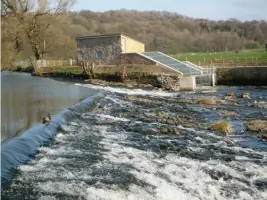
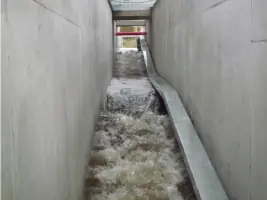
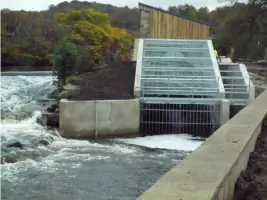
Established in 2010, Whalley Hydro is a community-owned renewable energy initiative dedicated to advancing sustainable power generation and local environmental resilience. Our hydroelectric plant on the River Calder in Lancashire has operated since November 2014, utilising a 400-year-old weir equipped with a 100kW Archimedean screw to generate renewable energy. As a Community Benefit Society, we prioritise reinvesting surplus income into local projects that tackle climate change and reduce carbon emissions. Our team of local volunteers brings extensive expertise across finance, engineering, and environmental education, ensuring transparent governance through shareholder democracy. With over 300 investors, 70% from East Lancashire, we demonstrate a commitment to community-driven solutions.The plants design leverages consistent river flows to produce 345,000kWh annually, supported by government feed-in tariffs. Our Community Benefit Fund has distributed 75,000 to initiatives like school solar installations and energy efficiency programmes. We collaborate with specialists in micro-hydro technology and legal frameworks to maintain technical and regulatory excellence. Despite challenges such as flood-related downtime, our project remains a model for decentralised energy resilience. Through partnerships with environmental agencies and adherence to rigorous ecological standards, we ensure sustainable operations. Our long-term vision aligns with global climate goals while addressing local energy security needs.
Services
Hydroelectric Power Generation
Community Benefit Programme Funding
Details
- Year established: 2011
Highlights and features
- We have operated the River Calder hydro scheme since 2014 under community ownership
- Our 400-year-old weir infrastructure provides proven reliability for renewable energy generation
- 75% of shareholders come from East Lancashire, ensuring local investment control
- We reinvest surplus income into verified carbon reduction projects through our Community Benefit Fund
- Our technical team includes experienced chartered accountants, engineers and environmental educators
Services
Hydroelectric Power Generation
Our River Calder hydro plant generates consistent renewable electricity using a 100kW Archimedean screw. The 400-year-old weir infrastructure harnesses a dependable water supply to produce 345,000kWh annually. This clean energy powers local communities while reducing reliance on fossil fuels, with surplus electricity sold to specialist green suppliers.
Community Benefit Fund
We channel operating profits into local environmental projects through our Community Benefit Fund. Initiatives include school solar installations, energy efficiency upgrades, and fuel poverty reduction programmes. Since 2014, we've distributed 75,000 to 13 verified low-carbon schemes across East Lancashire.
People
Andrew Geldeard
Director
Chartered accountant with financial expertise in textiles and telecoms. Twenty-year Whalley resident, active in local sports. Manages financial operations and statutory compliance for the hydro project.
Henry Farrar
Director
Former environmental education teacher with practical experience at Hothersall Lodge Field Centre. Focuses on conservation and ecological stewardship. Coordinates educational outreach about renewable energy systems.
Rory Fergusson
Director
Retired power plant manager with twelve years' maritime engineering experience. Oversees technical operations and leverages industry connections to ensure best practices in hydroelectric systems maintenance.
Tim Ashworth
Director
Mechanical engineering specialist with paper industry R&D experience. Manages technical aspects of hydro plant operations. Holds 15 UK and European patents for energy-efficient systems.
Russ Hill
Director
Joined the Board in 2018 with extensive local authority experience from Calderstones. Focuses on community engagement and regulatory compliance, ensuring alignment with regional environmental policies.
Questions
How does Whalley's hydro scheme utilise historical infrastructure?
The plant uses a 400-year-old weir originally built for Whalley Abbey, integrating modern Archimedean screw technology with medieval hydraulic engineering to generate renewable energy.
What environmental safeguards are in place for the River Calder?
We operate under Environment Agency licenses with fish passes to protect aquatic ecosystems. Construction met strict ecological survey requirements, and monitoring ensures ongoing compliance with conservation standards.
How are Community Benefit Fund grants awarded?
Grants follow published guidelines prioritising carbon reduction and energy security projects. Applications undergo democratic evaluation by shareholder members at our annual general meeting.
What happens to surplus electricity production?
All generated electricity connects to the national grid. We sell through specialist renewable energy providers, with income supporting both shareholder returns and community project funding.
How has climate change affected energy production?
Lower rainfall in recent years reduced output below theoretical averages. The plant's design considers 40-year rainfall patterns, with 1100-1300mm annual averages maintaining viable generation levels.
What makes this hydro project community-focused?
70% of shareholders live locally, with 73% investing £1000 or less. Surplus income funds local initiatives like school solar panels and community insulation programs.