Business Details
20 Years
experience
Sustainable Architecture & Design Solutions in Scotland
WTArchitecture is an award-winning Scottish architecture studio founded in 2006, dedicated to creating sustainable buildings that harmonise with people, place, and nature. Our practice, based in South Queensferry and Argyll, prioritises craftsmanship, collaboration, and environmental stewardship in every project, from small private commissions to large-scale public developments. With a team of experienced designers, we specialise in working with sensitive landscapes, historic sites, and Listed Buildings, guided by a commitment to reducing carbon emissions and enhancing community wellbeing.Our holistic approach integrates social, cultural, and ecological sustainability, aligning with the RIBA 2030 Climate Challenge. We foster long-term client relationships built on trust, transparency, and shared ambition to deliver timeless, meaningful architecture. Recognised by the Royal Incorporation of Architects in Scotland (RIAS) and the Scottish Ecological Design Association, our work reflects a deep respect for local contexts and a passion for innovative, people-centred design.
Services
Sustainable Architecture
Conservation Projects
Community Spaces
Eco-Friendly Design
Project Management
Details
- Year established: 2006
Highlights and features
- We have over 18 years of experience in sustainable architecture across Scotland.
- Our team holds RIAS Conservation Accreditation for work on historic sites.
- We adopt a holistic approach to sustainability, addressing environmental and social impacts.
- Our collaborative process ensures client needs are central to every design decision.
- We specialise in challenging remote and ecologically sensitive locations.
Associations and certifications
- Royal Incorporation of Architects in Scotland (RIAS)
- Scottish Ecological Design Association
Services
Sustainable Architecture
We design buildings that minimise environmental impact through energy-efficient systems, sustainable materials, and passive design principles. Our projects align with the RIBA 2030 Climate Challenge, reducing carbon emissions while enhancing occupant wellbeing. By integrating renewable technologies and prioritising local resources, we create spaces that are both innovative and ecologically responsible.
Conservation Projects
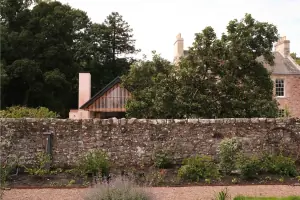
Specialising in Listed Buildings and historic sites, we balance preservation with modern functionality. Our RIAS-accredited team employs traditional craftsmanship and materials to restore structures while meeting contemporary standards. This includes working within Conservation Areas and World Heritage Sites to protect cultural and architectural legacy.
Community Spaces
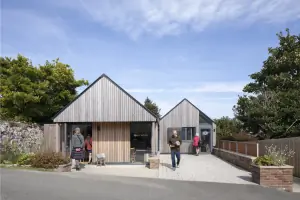
We create inclusive, accessible spaces that foster social interaction and community engagement. From village halls to public amenities, our designs prioritise accessibility, durability, and aesthetic appeal. We collaborate closely with local stakeholders to ensure projects reflect the needs and identity of the communities they serve.
Project Management
We provide end-to-end project management, coordinating with contractors, local authorities, and specialists to ensure timely and budget-conscious delivery. Our approach emphasises clear communication, risk mitigation, and quality control, ensuring seamless transitions from concept to completion while maintaining design integrity.
Remote Location Development
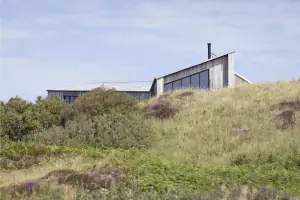
We specialise in challenging remote sites, including islands and mountainous regions. Our expertise includes logistical planning, use of locally sourced materials, and designs that withstand harsh climates. We work closely with local contractors to overcome geographical challenges while respecting natural landscapes.
People
Wil Tunnell
Founder & Director
Wil Tunnell founded WTArchitecture in 2006 after working as a sole practitioner. With over 25 years of experience, he leads the studio's design vision, focusing on sustainable innovation and community-driven projects across Scotland.
Tamsin Cunningham
Senior Architect
Tamsin brings expertise in conservation architecture and has led multiple award-winning projects involving Listed Buildings. She is a Royal Incorporation of Architects in Scotland (RIAS) Conservation Accredited professional with a passion for heritage preservation.
Susie Turley
Architect
Susie specialises in sustainable residential design and has contributed to projects across Scotland. Her work focuses on passive house principles and integrating modern living with ecological sensitivity, ensuring homes are both functional and environmentally responsible.
Thomas Fitzgerald
Design Architect
Thomas leads conceptual design phases, blending creativity with technical precision. He has extensive experience in public architecture, including community spaces and cultural venues, ensuring designs are accessible, durable, and aesthetically engaging.
Jen Love
Project Architect
Jen manages complex projects from inception to completion, coordinating teams and stakeholders. Her expertise lies in remote location developments, where she addresses logistical challenges while maintaining design excellence and sustainability standards.
Questions
What types of projects does WT Architecture specialise in?
We specialise in sustainable residential, commercial, and public buildings, including conservation work on Listed Buildings and projects in remote or ecologically sensitive areas.
Are you accredited for conservation architecture?
Yes, we hold RIAS Conservation Accreditation and have extensive experience with Listed Buildings, Scheduled Monuments, and World Heritage Sites.
How does WT Architecture approach sustainability?
Our approach aligns with the RIBA 2030 Climate Challenge, focusing on low-carbon materials, energy efficiency, and ecological preservation while supporting social wellbeing.
Do you work outside Scotland?
While our studios are based in Scotland, we have experience delivering projects across the UK and internationally, prioritising local collaboration.
How do you involve clients in the design process?
We prioritise open communication, regular consultations, and co-creation to ensure designs reflect client needs and community contexts.